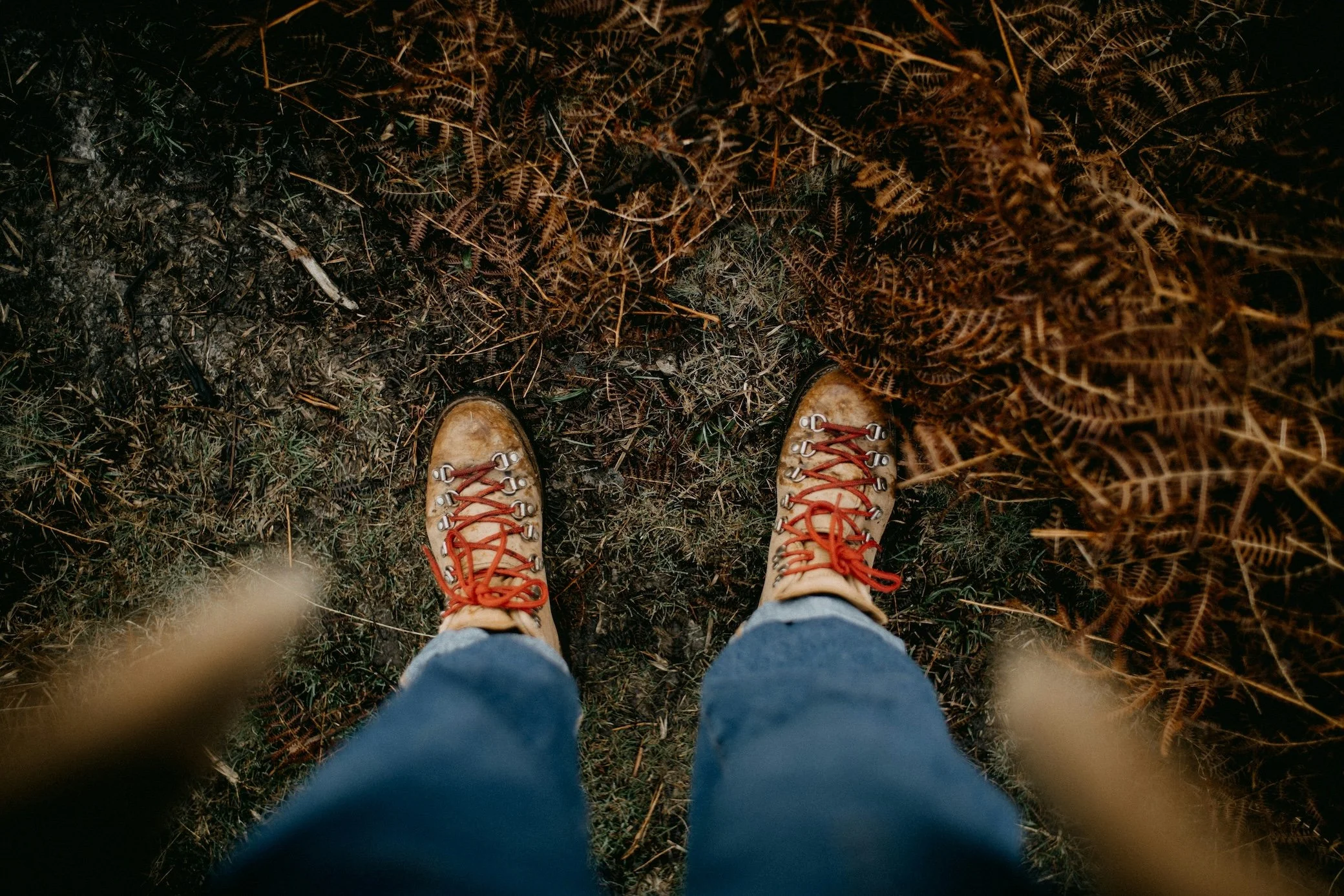
Put Your Boots On: The Most Undervalued Leadership Trait of Top Performers.
First, a confession… I used to think the hardest part of walking 2,193 miles was the miles. I was wrong. The hardest part is the same thing that breaks most leaders — and most teams.
The stories we love to tell.
Every year, about 4,000 people show up at the southern terminus of the Appalachian Trail and start walking north.
The trail changes a little year to year, due to re-routes and trail work, but the year I walked it, I covered 2,193 miles through 14 states, from Georgia to Maine. Experts say that if a thru-hiker — someone who completes the entire trail in a single calendar year — wore a pedometer, they'd log roughly 5 million steps. Whether that’s true or not, I’m not sure, but I can tell you it sure felt like it.
The history of the trail is full of remarkable people.
Poet, musician and adventurer Earl Schaffer became the first official thru-hiker in 1948, completing the journey in 125 days.
Twenty years later, a woman we came to know as "Grandma Gatewood" captured the world's attention when she walked the entire trail at age 67 — in Keds sneakers, carrying a hobo-style knapsack.
The average hike takes 4-6 months. Though there’s always the outliers. Trail runners build on Grandma Gategwoods “ultralight” set up, carrying minimal gear and pushing the limits. The “Fastest Known Time” belongs to Tara Dowers, who completed the trail in 40 days, 18 hours, and 5 minutes. (She burned through four pairs of shoes along the way—Ultras, not Keds.)
The oldest person to thru-hike was an 83-year-old nicknamed "Nimblewill Nomad" in 2021. The youngest, a tyke called "Juniper," who finished in 2020 at the age of four — alongside his parents.
You might imagine that every hiker is a fit, muscly athlete. You’d be wrong. The average hiker loses 30 pounds between Springer Mountain and Mt. Katahdin. Scruffy, out-sized clothes that no longer fit are worn like a badge of honor on the trail.
These are the stories we love to tell.
But the Appalachian Trail Conservancy, who protects and preserves the national treasure, has spent decades collecting a very different kind of data — and it tells a more sobering story.
The numbers most people don’t talk about.
The truth is people dream about walking the full length of the Appalachian Trail. They watch the documentaries, read “A Walk in the Woods” by Bill Bryson. They endlessly consume blogs and vlogs and join Facebook groups. Hopeful hikers turn up on long weekends to tackle the most scenic stretches and stop thru-hikers in their tracks to pepper them with questions, eager to learn the secret to success.
But it’s not what you’d expect.
25% of people who start the trail quit within the first 100 miles. When surveyed, the number one reason they give is simple: it's just too hard.
Another 25% make it to the halfway point in Harpers Ferry, West Virginia — and stop there. The rest drop off slowly over the next thousand miles.
In the end, only 20% of people who begin the trail will reach their goal in Maine.
Even though millions of outdoor junkies will dream about it, fewer than 0.01% of Americans will ever actually accomplish a thru-hike.
"Completing the trail has nothing to do with what most of us assume. The only thing the 20% have in common? They didn't quit."
Here's what the data makes clear:
Men and women finish. Old and young finish. Hikers without fancy gear finish. People who aren't fast finish. Even those who wouldn't call themselves athletes finish.
Completing the trail has nothing to do with what most of us assume.
The only thing the 20% have in common? They didn't quit.
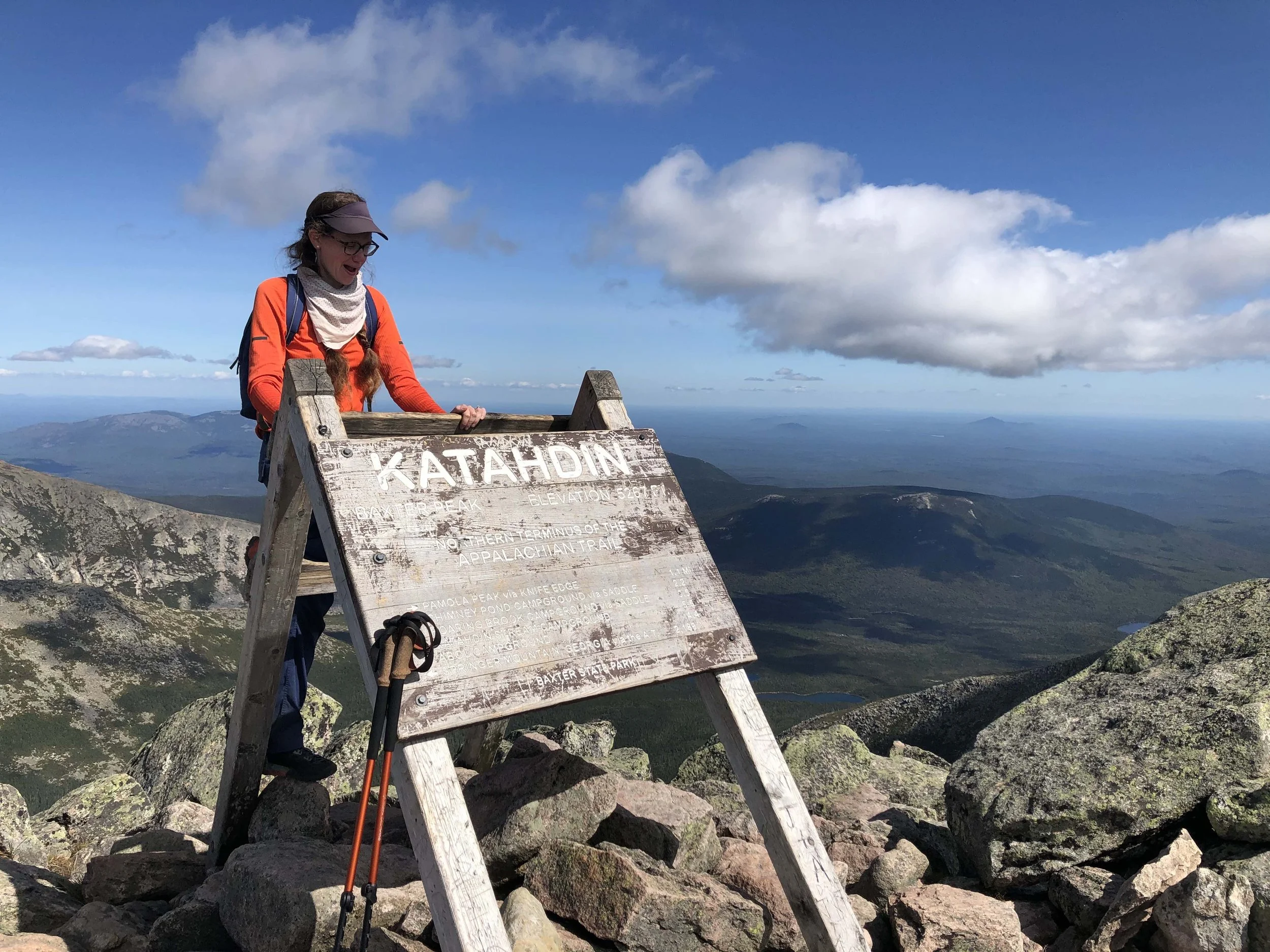
The 20% Rule: That’s me at mile 2,193 on top of Mt. Katahdin after completing my thru-hike of the Appalachian Trail.
The Hardest Part Has Nothing to Do With Miles
When I completed my thru-hike on the Appalachian Trail, I learned something that no map, data book or blog prepares you for: The physical challenge is real. But it's not what breaks people.
No one is cheering at mile 937.
On a rainy Tuesday in Virginia, no one is handing you a medal. There's no ceremony, no recognition, no external validation in the middle of the woods. There is only the decision you make each morning: Am I going to do what I said I would do?
“The physical challenge is real. But it's not what breaks people. No one is cheering at mile 937.”
To join the 2000-miler club, you have to wake up and put on your boots. You have to walk when it's raining. When it's cold. When it’s 90 degrees with 90% humidity. When your feet ache and your mind is empty and your heart isn't in it anymore.
You have to wake up, put on your boots and walk.
That's it.
That's the whole thing.
Reliability — the unglamorous, unsexy discipline of doing what you said you would do, even when no one is watching — is what separates the 20% from the hopeful hikers. The millions of dreamers from the 0.01%.
What this means for leaders.
In business, we spend enormous energy chasing the qualities we think define great leaders: charisma, vision, intelligence, decisiveness, a bias for action. These things matter. But they're not the foundation.
The foundation is reliability.
Think about the people you trust most — in your organization, in your life. I'd be willing to bet they aren't the loudest voices in the room or the flashiest people on the org chart. They're the ones who follow through. Who show up. Who do what they said they would do, even when it's inconvenient, even when no one would notice if they didn't.
"The leaders and organizations that endure are the ones who wake up every morning, put their boots on, and just keep walking."
And, here's what makes reliability so powerful — and so undervalued: it's accessible to everyone.
You don't need an Ivy League degree to be reliable. You don't need a bigger budget, a corner office, or more time. Reliability doesn't belong to the talented or the privileged. It's a choice, available to every person on your team, including you, every single day.
In a world obsessed with speed and disruption and the next big thing, the leaders and organizations that endure are the ones who wake up every morning, put their boots on, and just keep walking.
The trail is long. The conditions will be hard. Some days, everything in you will want to stop.
Walk anyway.
This post was adapted from a keynote speech I gave in February 2026 at a private event for top performers in the financial industry. Austin, Texas.